
Graduate Safety Training
Safety tips for university students...


Soon, many young people will be heading to university. In many cases, this will be school leavers heading to their chosen university for the first time. Some may also be leaving home for the first time. This can be exciting, daunting and represent a significant change in their lives...
Parents and loved ones may also feel emotions, concerns and even anxiety as their children make this big step.

I've helped prepare numerous young people to become aware of the risks but also how to avoid or manage them. Something often expressed in Tri-Tier- this is not about fear generation but fear countering...

This training is to equip young people so they become more aware yet calm. It's about increasing understanding of the risks that emerge in different environments yet empowering them to realise they also have some in-built mechanisms to make themselves less of a target.

Here are some basic tips to get them thinking about personal safety so that their time at university can be a positive and safe experience:
There’s a fine balance between gaining a good understanding of the surrounding area where the university is situated but also not causing excess worry. Nonetheless, it's good for students to do some research and find out which areas, places and venues are good to avoid.

Often, information will be shared by other students and the university's safety representatives. The key thing is develop this sense of how risks increase in different areas and at different times of day.

Anyone travelling to a new city, be they an executive on a business trip, or a student will still need to apply the fundamental principles of awareness.
When students understand how to access and maintain their awareness, adapting it to the terrain they move through, this is one of the first steps in avoiding street based scenarios.
Awareness is not just about using one's senses, it's also about knowing how to be discerning and even listening to that gut feeling when it conveys something doesn't feel right.

One of the hardest things is getting people to stop the habits that weaken their awareness. One of the common ones here is moving about while using phones or listening to music with headphones on.

Not only does this distract attention and reduce awareness of surroundings, it also makes the person an inviting target for street muggers.
It's good to learn now to blend in, which is something I will often convey in our training sessions, however, sometimes it's also about moving in a calm, confident way that shows the person is alert and less susceptible to sudden grabs or phone swipes.

One of the biggest concerns for parents will be when young people go out at night and socialise. I’ve already shared much on drink spiking but this is certainly a crime that students can be targeted by.
It's great though when students look out for each other when they go out. There is individual awareness and there is group awareness which can form a potent protective blanket.

A common mistake I still see people making is carrying their bank cards in the case of the phone. This is risky as phones can get swiped, or removed in more discreet ways or they simply can get lost.
Another mistake is leaving phones exposed on tables in cafes or bars.

We’ve touched on safety in the surrounding environment. Sadly though, there are also potential risks within the student environment. This something to be mindful of, especially in these unstable times.
It's great when young people are open minded and friendly to those around them. Again though, it's good to be discerning and careful with the circles or individuals one interacts with.

Universities represent a rich mix of cultures, beliefs, political opinion and trends. It's important though for young people to understand there will be those who may have strongly opposing beliefs or, who are even very vocal about their feelings.

Sometimes, people may express or display behaviour that may feel hostile or aggressive.
There are ways to avoid getting drawn into heated exchanges and intense arguments. However, if a person does feel very intimidated by a group or individual, it's important to share these concerns with the university's safety rep but also with loved ones.
Communications is also valuable in terms of having someone within the trusted circle knowing the young person's whereabouts, especially when going out in the evenings.
Regular communication can also be reassuring to parents, who will naturally be concerned about the well being of their children, particularly during the first semester.

Well being may seem like a separate subject to personal safety but actually the two areas are very connected. University life presents a lot more freedom and there will be a less regimented structure to what young people experienced at school.
It's useful to therefore have harmonious self-established structures and routines in place. This can involve well being and health practices, exercises and attention to good food and sleep.

In Tri-Tier, our third tier is resilience, to help people be calm under pressure, or to adapt to the unexpected. Again, by focusing on well being, this will bolster resilience and help reduce stress.
When people are stressed they can drop their guard or compromise their decision making abilities.

There are many resources on resilience and well being. In this online publication, there are indeed many insights to help young people understand the threats and avoid them.
There is also one particular resource I’d like to mention- one that's useful for parents and young people at school, or preparing for university.
Founded by Alicia Drummond, who herself has a great deal of experience helping young people with mental health and well being, The Wellbeing Hub includes a lot useful content and brings many experts in well being and education.
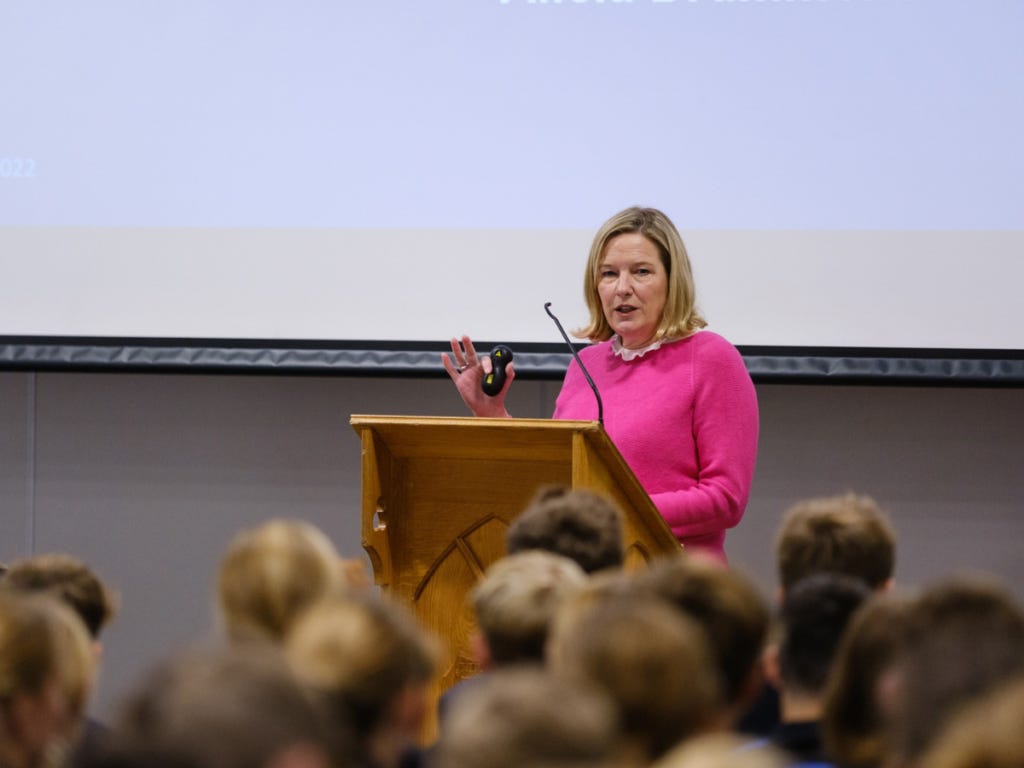
I’ve known Alicia for five years and have also provided personal safety insights for The Wellbeing Hub, so if you are a parent or organisation with concerns relating to young people and well being, it's well worth reaching out to her, via her platform. (Linked above).

These are just some insights, and I hope that if you do have children heading to university they have a rewarding time and also keep safe.
In the training courses, I do go into more detail about everything from urban disengagement to risk reduction. This training is also useful for those heading on gap years. Do get in touch, if you would like to know more…
Aran
About the author
London-based, Aran Dharmeratnam is the founder of Tri-Tier, specialising in situational awareness and hybrid self-protection for executives, high-profile figures, families and security professionals. His work in private investigations and risk intelligence is grounded in extensive operational experience, including covert engagement and HUMINT. Aran’s insights have featured in The Financial Times, The Spectator, LBC, Aviation Security International, Metro, and Security Management Today.
For consultations or training contact: office@tri-tier.com