
Counter Spike
How to avoid drink spiking


Part two of The Spiking Problem…
We’ve already looked at this issue of drink spiking and how it’s used against members of the public. What follows are some insights on how to avoid being the victim.
Please note, these insights are very much aimed at younger travelers who may not have so much awareness of the threats that are out there.

Practise awareness...
Just as security professionals often do, it’s good to practice utilising your awareness skills. Observe without making eye contact. Position yourself, ideally, in a way that you get to see the layout of the venue.
Observe the different figures. Again, do so in subtle fashion, or you may give off the wrong signal!
In training courses, I teach various ways to scan a room and spot attention to details and traits - the details others might not even consider.

Get used to routinely scanning a place. This keeps your awareness sharp and reminds you, not to let your guard down.
This is not about living in fear. Neither, as the harbingers of denial and defeatism may have you believe, is this about being judgemental or seeing the world through a dark lens. It's just about being calm and sensible.

A protective circle…
As I say during our sessions, there’s strength in numbers. When going out, it’s useful to have a trusted group of friends with you. Look out for one another.
That said, we also say- never fully rely one someone to watch your drink. As alcohol is consumed, while intentions may be noble, people will, for the most part, start to drop their guard, especially further into the night.

Should one need to leave the table, to go to the bathroom or make a call; they may be better doing so, after a drink has been finished, where feasible.
Now, if a friend is acting unusual or disorientated, even if you feel it’s a result of simply drinking too much, try to make sure that person gets home ok and doesn't simply wonder off, into the night. Criminals often target those who look isolated and vulnerable.

Prevent the divide and counter tactic…
In previous sessions, one of my friends, who is former special forces (SBS) would always tells the young attendees, not to let a third party split them up. A very good point. Divide and conquer is certainly a technique used by the predatory.
Also, it's best if you can avoid leaving friends on their own with strangers. One needs to use a reasonable level of judgement, in such matters.
When going out as a group or with a friend, you can observe each other's surroundings and again, look out for each other.
Note those who approach your friends. What feeling do you get?

Deceptive third parties…
Be wary of friends, who have a tendency, as drinks flow, to then engage with potentially troublesome third parties, or draw unwanted attention to your group.
If someone gives off the vibe that they are looking to procure drugs, or keen to party in especially wild fashion; they will sometimes attract unsavory characters. These could be dealers but they also may try to introduce a substance, for other reasons.

Be cautious of invites to unknown individual's parties, be they at a club or someone's house.
Maybe the person who invites you has good intentions and is known, but who else has managed to crash the party from outside your known circles? What are their motives and intentions?
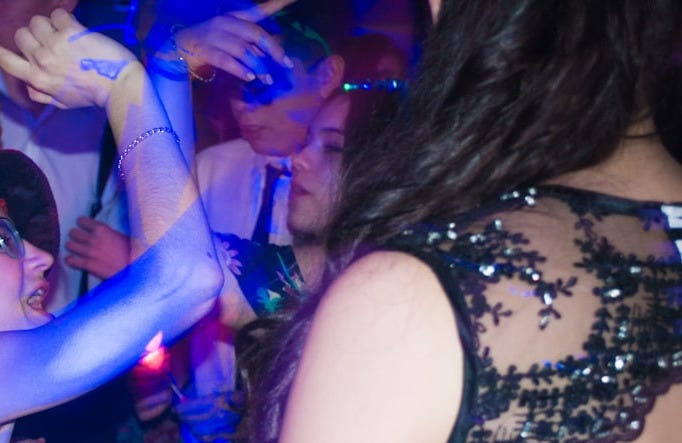
The above point is an important one for those heading to university for the first time, where inevitably there will be various impromptu parties and events.
Even, if you go as a group, the devious may try to divide and separate, at a later stage.
When awareness gets diluted…
Spiking is often used, down the line, once the target has become more intoxicated and less able to notice those spiking movements.
We always teach that one shouldn't assume the deceptive activity takes part in the venue itself. People can get targeted or 'sized up', before entering the venue; or later when leaving.
The drink spiker may try to get close and gain trust, at an early stage, showing signs of friendship or generosity; waiting for an opportunistic moment to strike.
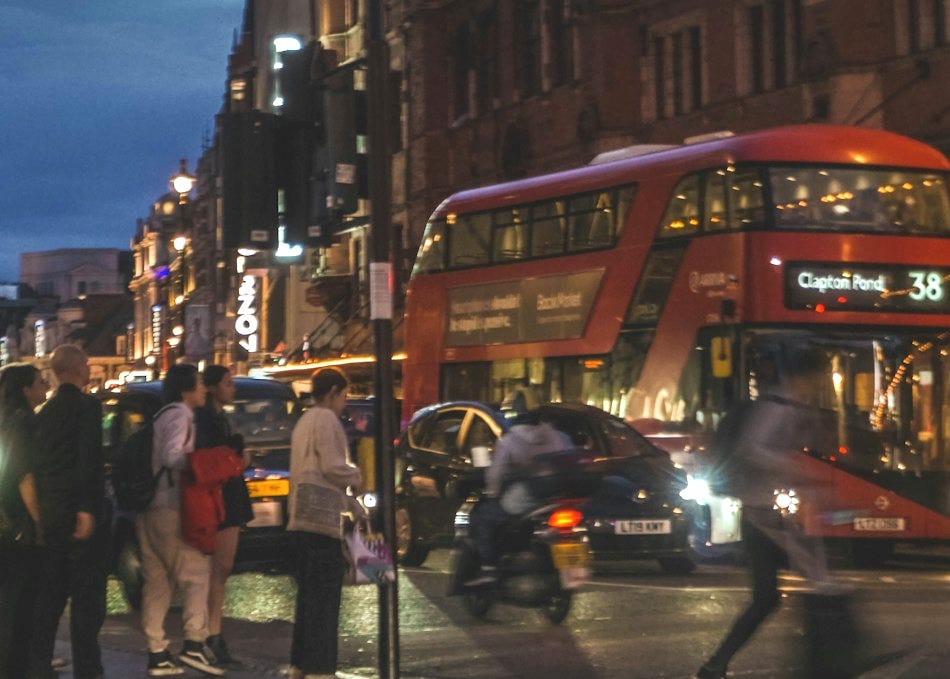
There are also those nocturnal street vultures who know, if they lurk about the West End and other areas in London after dark, such as outside the clubs, they can use deception or shock tactics to prey on intoxicated people. They may pretend to be a cab driver or helpful member of the public.
What observing eyes perceive…
Spiking is not only initiated by men. In cities around the world, there have been cases where women were used by gangs, to rob foreign travellers. Spiking can be done from someone of the same sex also.

Deterrence can not be fully guaranteed, as some spikers will have no scruples, about engaging even a mixed group where there may be couples present.
They may be prepared to wait- to catch the target, when they’re alone.

Sadly, there are also times when the spiker is someone within the perceived trusted circle.
Spikes could happen when someone joins your table or invites you to there's. It could also occur at the bar, be it via drink or injection.
Or a random drink may be sent, as a present, from an unknown source.
Sometimes they work in teams…
The spikers may work with accomplices. One could act as the spotter; the other the engager. One could be the distracting presence; the other the spiker.
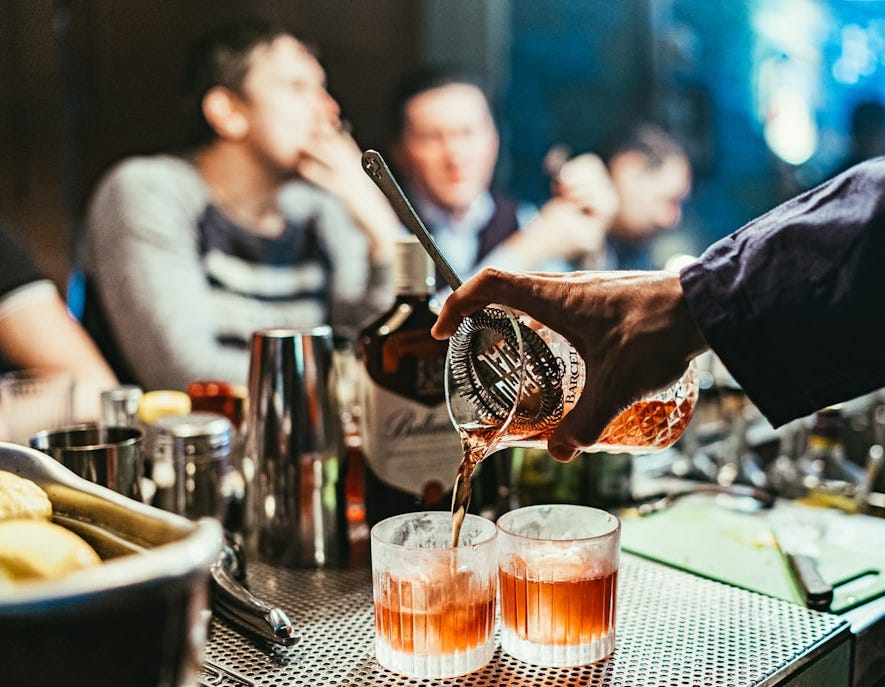
Even in some places, it could be staff who are involved. Ideally, if at the bar, observe carefully when your drink is being poured. If you even slightly suspect; then don't drink it.
Most spiking agents are colourless, so you won't be able to see much. Some venues do, however, have testing capabilities.

Most parents will most likely have told their teenage children to be careful accepting drinks from unknown parties.
Young people might not want to get street wisdom from their parents but such tips are relevant. It could even be that someone has lined up the spiked drink, in advance.
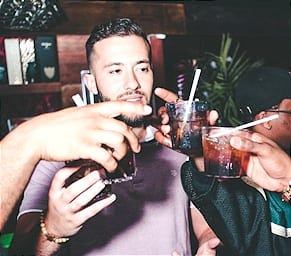
Others will make sure your glass is never empty; the booze is flowing to then spike, later in the evening.
Lifestyle and vulnerabilities…
Note the lifestyle errors that can get one drunk very suddenly. This can be from lack of sufficient food before going out; not drinking enough water; fatigue or doing hard training, the day you go out.
Also, sometimes when people are facing some intense stresses in their life it can sometimes inspire them to power drink.
It’s good to be careful of unknown, easy to knock down cocktails, especially those that are very sweet. Keeping hydrated with water is especially important.
Even those of a more senior age are susceptible to all these mistakes.

Vigilance and space…
Spiking via injection will sometimes take place in crowded, poorly lit venues. Look for gaps, try to avoid having to move unnecessarily, through thick crowds of bodies, where possible.
Also, create space and distance, when going through doors ways, stair ways and corridors.

Be vigilant when queuing to get into a venue. Choose venues selectively. If your intuition tells you something doesn't feel right, then listen to it. Maybe you can find a better place.
Note how in bars and clubs, we are all being observed or watched by someone. Convey yourself as alert and sharp, as opposed to oblivious, aloof and vulnerable, to make oneself less inviting.

Support…
Communication with loved ones is also important, especially if one does suddenly feel unusual. Give your location to them. Don't be proud; ask for help, from trusted parties.
Keep your phone charged as much, as you can.
The NHS has some info on drink spiking and the importance of getting trained medical assistance; if one thinks it’s happened. Testing needs to be done, as soon as possible; as the drug may go out of the system quite quickly.

Looks can be deceiving…
Take into account, the drink spiker may try to be ghost like and not noticed at all; or they may be that handsome figure, conveying wealth, excitement and sugar coated dialogue to disarm.
They may have equally fun or alluring friends, with them, who could be male or female. They can be teenagers themselves; or an older figure. They may convey them self, as a person of importance and status.
Tri-Tier’s urban disengagement training…
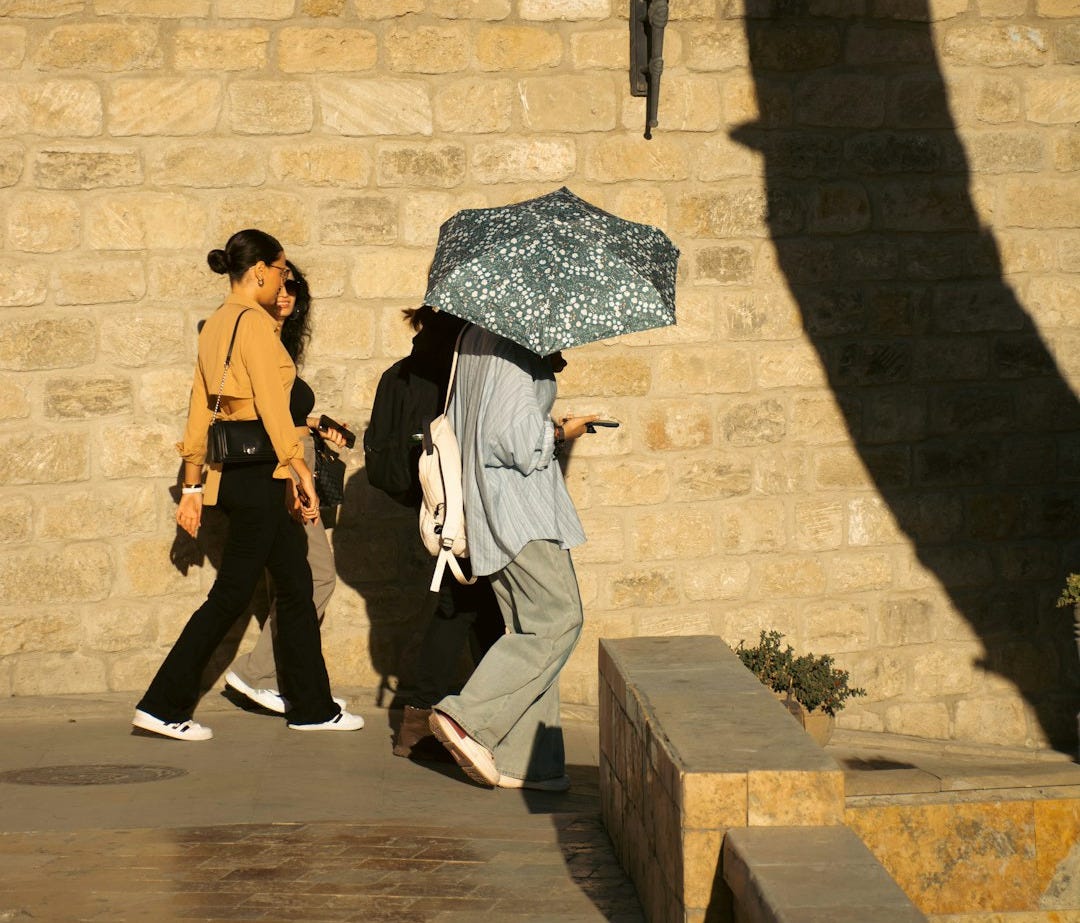
Security operatives are taught all kinds of ways, to disengage from an uncomfortable scenario or event. There are decisive or subtle ways to slip away.
If you feel something isn't right, be ready to leave but do so in a way, where you’re not exposed outside.
If you are feeling a bit dazed etc, act fast; act decisive. Dizziness, nausea or blurred visions could be signs of being spiked.
Breathing techniques can be used to energise and maintain some kind of centre temporarily, but can't be relied upon. This also requires training.
The bottom line- get help. Maybe you can send a text. Share your movement patterns,ideally with timings, with trusted sources.
There are also certain apps that can be helpful for emergency contact. Don't try to drift home alone.

Other tricks of the spiker...
Watch out for those who are overly keen with getting through your personal space or, who make you feel stuck or cornered, within the seating dynamics. They may be overly tactile or using a lot of hand movement and gesturing.
Watch out for the 'accidental drink spill' and accompanying offer, to get you another one. Others may try to offer you their drink.

They may pretend to be drunk them self; overly eager to hug or they may simply walk past with an abrupt swipe. Be mindful of where people position their arms and hands.
Dialogue perhaps in the form of questions can be used to close in and distract.

The spikers will sometimes look for areas where they perceive there to be CCTV blind spots or that are away from the eyes of door supervisors.
This is why it's also important for all venue staff, to keep alert to potential spiking attempts. Waiters, bar staff and glass collectors can represent a useful set of eyes and ears for venue security.

Like pickpockets and knife fighters, spikers can use distractions and decoys. Taps on the shoulder; questions, misdirection, third party attention grabbing.
Steps going forward....
I must now stop this list of tips; as it really could keep going on and on! There’s a lot more to share but some things are easier to show, in person. I do hope though that these insights will help people to go out and have fun without falling prey to those with bad intentions.
Aran
About the author
Based in London, Aran Dharmeratnam is the founder of Tri-Tier. He specialises in risk resilience and self-protection training, often working with high-profile figures and their families. With experience in various areas of the security sector, Aran also works with global security companies involved in private investigations and strategic intelligence. He’s been deployed on the ground, in numerous cases. Aran’s insights have appeared in The Financial Times, The Spectator, LBC, Aviation Security International, and Security Management Today.
For consultations or training contact: office@tri-tier.com