
The Spiking Problem
Drawing awareness on drink spiking and how to avoid it...


Part one:
This post draws awareness to a threat that’s become all to prevalent in our society. Here are some insights on drink spiking, so people can avoid it.
It’s a threat we address in our risk reduction sessions, particularly those aimed at young people. We cover the problem from multiple angles.
What is spiking and who does it?
Spiking is the term used for when someone adds a substance, usually to a drink to cause a person to: become disorientated, lose... control, memory, balance and awareness or go unconscious.
It can be committed by different types of aggressors. Most commonly, it is used by predatory aggressors to initiate sexual crimes. It could also be used to steal valuables, data or other items from a person.

Then, it can be used in targeted honey trap scenarios to black mail or manipulate a person. This might be someone in a position of power or with a high profile.
It could be done for kidnapping purposes, or other sinister reasons.
There’s also the possibility, in some cases, it’s done as a thrill crime - to mock or simply enjoy watching others lose control.

A street problem and more....
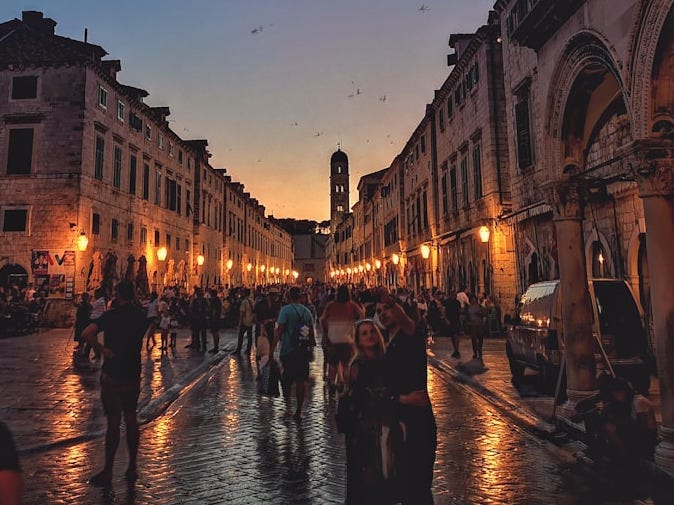
It’s something that often takes place within urban nocturnal social venues, but it can be used at people's houses or whilst travelling. It’s also something that’s been around a long time; yet today people are realising just how wide spread it really is.
It also exists within the craft of the dark arts- in more sinister areas of clandestine warfare. Field agents or government figures get ambushed in subtle fashion through deception, honey traps or, in some countries, through covert snatch and grab scenarios.

There are also cults, movements or other nefarious groups who use hallucinogens or other substances to control and disorientate others.
This may also be part of the grim approach used by human trafficking gangs.
Today, we will focus on the street orientated spiking scenarios.
Who gets targeted...
Potentially anyone can be targeted. It’s largely been associated, as a crime carried out by male predators, against women, as a sexual attack.
Woman are especially targeted, but do not for a moment think that men are any less susceptible, to getting spiked.

Often, young people get targeted, as they are more likely to go out to clubs and social venues. They are perceived to be less street wise and experienced. They are also more likely to get drunk. Again though, no one should really drop their guard.
I do know cases of much older people finding themselves with spiked drinks. It could be a travelling executive drinking in a hotel bar, who gets their drink spiked by a dubious third party.

It could be members of a cabin crew who’ve ventured out, in a foreign environment.
It could be a student inter railing in Europe, or a high profile figure spotted by opportunist black mailers. This is something we cover in the reputation safeguarding aspect of training.

Changing tactics...
You may have already read in the media, a couple of years back, about this fairly new trend which involves the targeting party using injections to spike young people directly, as opposed to via their drink.

A security associate of mine points out that this has happened partly because, these individuals see that people have become better at keeping an eye on their drinks; hence this more direct approach.
This method is often carried out in crowded clubs where lighting is poor and people mingle in close proximity.

Our awareness network...
What can we all do about this; not just those of us involved in security or the training side?
Well the more we keep each other informed of trends and incidents and of course share this with our young people, our employees or colleagues, and friends- the more we can all help others to keep alert.

One has to understand the need to safe guard their drink, to realise when and how awareness gets suddenly or gradually compromised and be discerning with the venues and company one chooses.

In regards to spiking of university students in clubs a few years back- individuals were been arrested. This will not necessarily deter others, but at least the public and venues are becoming a bit more alert.
More will be shared about the preventative side, in part two and if you think these insights may help someone, then do share them with friends and loved ones.
Continued soon in part two... Counter Spike
Aran
About the author
London-based, Aran Dharmeratnam is the founder of Tri-Tier, specialising in situational awareness and hybrid self-protection for executives, high-profile figures, families and security professionals. His work in private investigations and risk intelligence is grounded in extensive operational experience, including covert engagement and HUMINT. Aran’s insights have featured in The Financial Times, The Spectator, LBC, Aviation Security International, Metro, and Security Management Today.
For consultations or training contact: office@tri-tier.com