
Breathing...
Some free flowing Tri-Tier insights...


My own exploration into breathing practices has been as diverse as the arts I've studied, over the last 35 years or so. Methods were shared from masters, healers and mind body mystics from traditions developed in India, China, South East Asia and Russia.
My research also involved interactions with high performing individuals from: elite military units, world class athletes and fighters, as well as holistic health practitioners, with their own understanding.
At this stage, in my own training, I also have my own thoughts on this subject.
Here are some free flowing insights, from a Tri-Tier perspective...
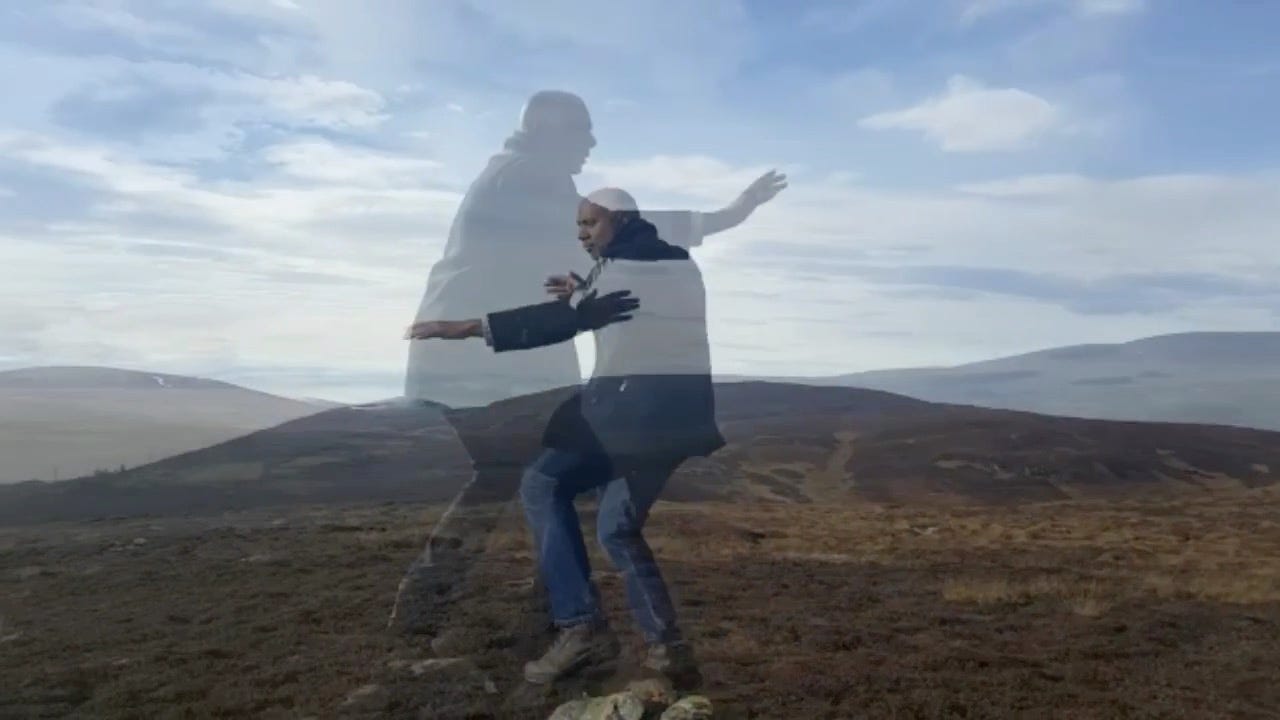
While most disciplines guard their breathing techniques like a family recipe, Tri-Tier takes a more pragmatic view: not every breath fits every occasion.
Anyone wanting to get a better understanding of this subject should take into account, that different breath based teachings are designed for different purposes, environments, cultures and people.

Breathing, at the primal core, is the very essence of survival. We can also look at breathing from different perspectives: for longevity, for enhanced performance, pain management, communication skills, increased awareness, and emotional well being.

It’s also used for accessing different mind sets and energetic states, or for creativity. There are also breathing concepts to enhance personal safety skills and manage fear.
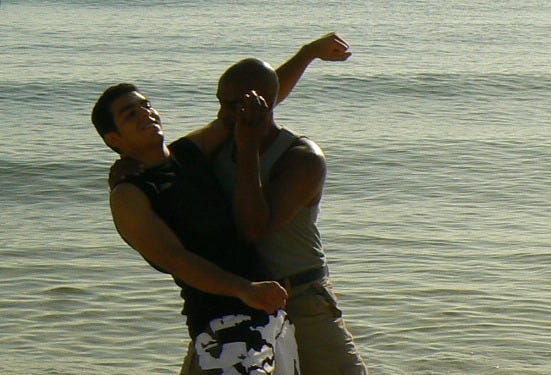
In Tri-Tier, we recognise that an exploration into the depths of breathing can also be a very personal journey.
When a person comes to train with me, I will observe, on various levels, how they’re breathing. Sometimes, glitches in the breath process only reveal themselves when the person is placed into different resilience based scenarios…
Some breathing approaches may be good for short term or immediate relief but that doesn't mean they should be part of your default breathing, in every day life.
Regardless of tradition, most acknowledge that effective breathing for well being is very dependent on spinal alignment and how the person induces this alignment. An exterior look of good posture does not necessarily equate with an optimal way of maintaining this alignment.
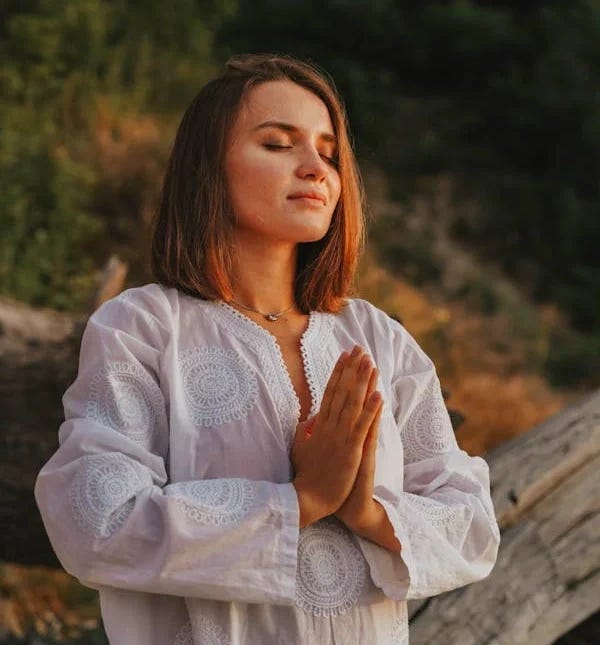
Sometimes, intense physical training, such as strength work, can tighten areas of the body thus restricting breathing, in some way. Release based practices and stretching can help to undo this.
Even over zealous breath based practices can create tension that stays in the body, or creates these micro spasms. This is why one has to use breath retention training very carefully. Ideally, with some guidance from an experienced teacher.
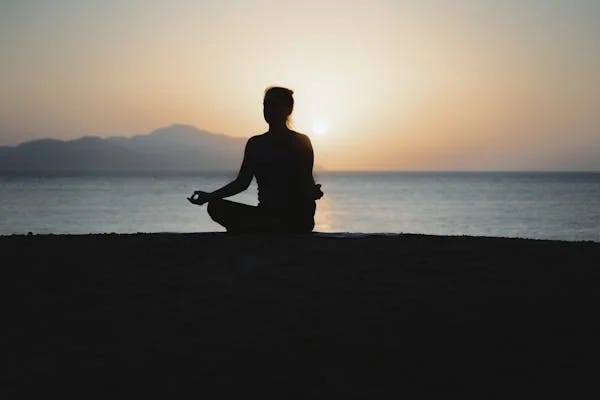
Chi Kung masters, Orthodox Christian monks, Taoist adepts and other healers who have acquired deeper understanding of the breath have discussed the pitfalls of certain practices, when done without balance or preventative knowledge.
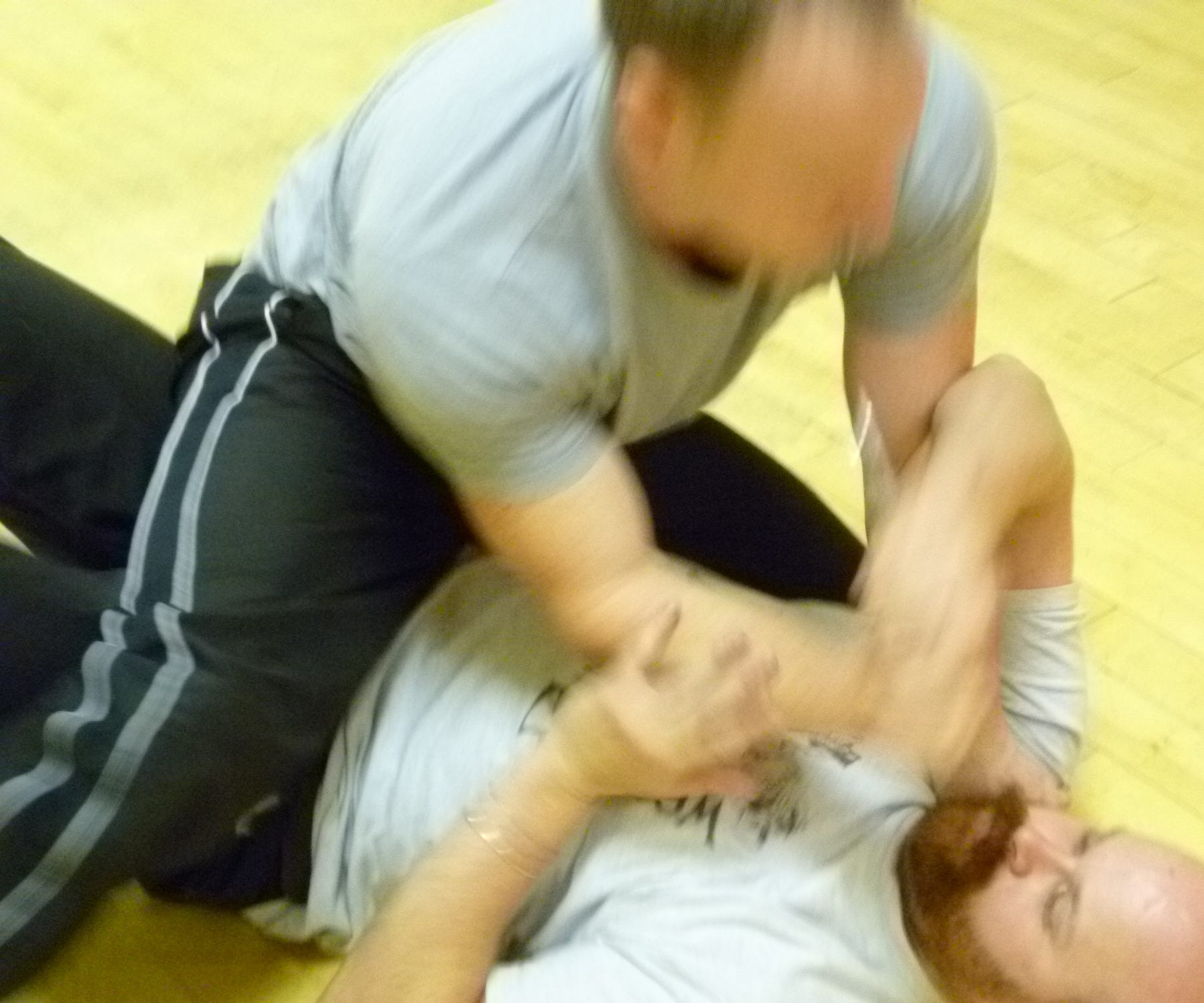
There are also ways to breathe when you’re caught in a contorting hold or awkward position. Just as there’s breathing to better manage pain, shock or unexpected actions. These breathing practices may be a bit more assertive but again they’re used for specific survival situations.

In Tri-Tier, we also use an assertive, purposeful form of breathing to invigorate mind and body. This is useful for security personnel or anyone who needs to maintain their situational awareness for extended hours, or at a time when they’re feeling fatigued or stressed.

Just as your breathing can support your awareness. Your internal awareness can be like a pathfinder, making way for the breath...
Certain breathing practices may not contribute so much to health, but can still offer something, on the psychological or emotional level. ( This of course being linked to good health.) One must develop a sense of how to use such methods, as a supplement and not the norm.
A person's temperament and energetic state, as well as lifestyle, should also be taken into account, when selecting certain practices. Some breathing practices can further pronounce some traits or emotional tendencies.

For the person facing a health struggle; it can feel like an isolating time, like a ruler under siege in their own castle, but the ever vigilant healing breath should be seen as a loyal ally.
The breath can be rather like that protection detail..ready to surround and stay close or patrol and spread out..ready to get help, or shield and assist.
Some breathing practices must be done in very calm, methodical manner. They can be less helpful to a person with a tendency to treat everything like a gym work out, where they feel they must push hard.

It's important to understand the blatant and more subtle effects of a practise. Sometimes, the descriptions regarding the effects of an exercise can be misleading or restrictive.
Of course, as the person gets better at listening to their body and understanding their body, it becomes easier to grasp the effects.
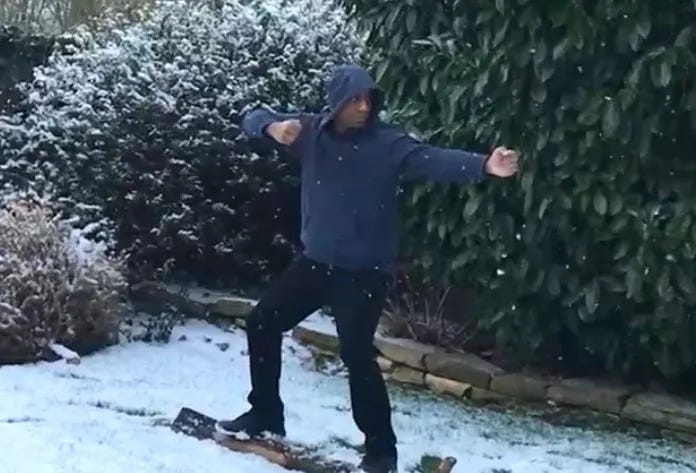
Many of the systems connected to stillness and longevity, will encourage nasal breathing for both inhalation and exhalation. I believe there are times, though, when breathing out through the mouth does have place.
This could be for handling pain, impact or certain fears. In other words, it’s useful when involved in very physical situations, or certain forms of physical exertion.
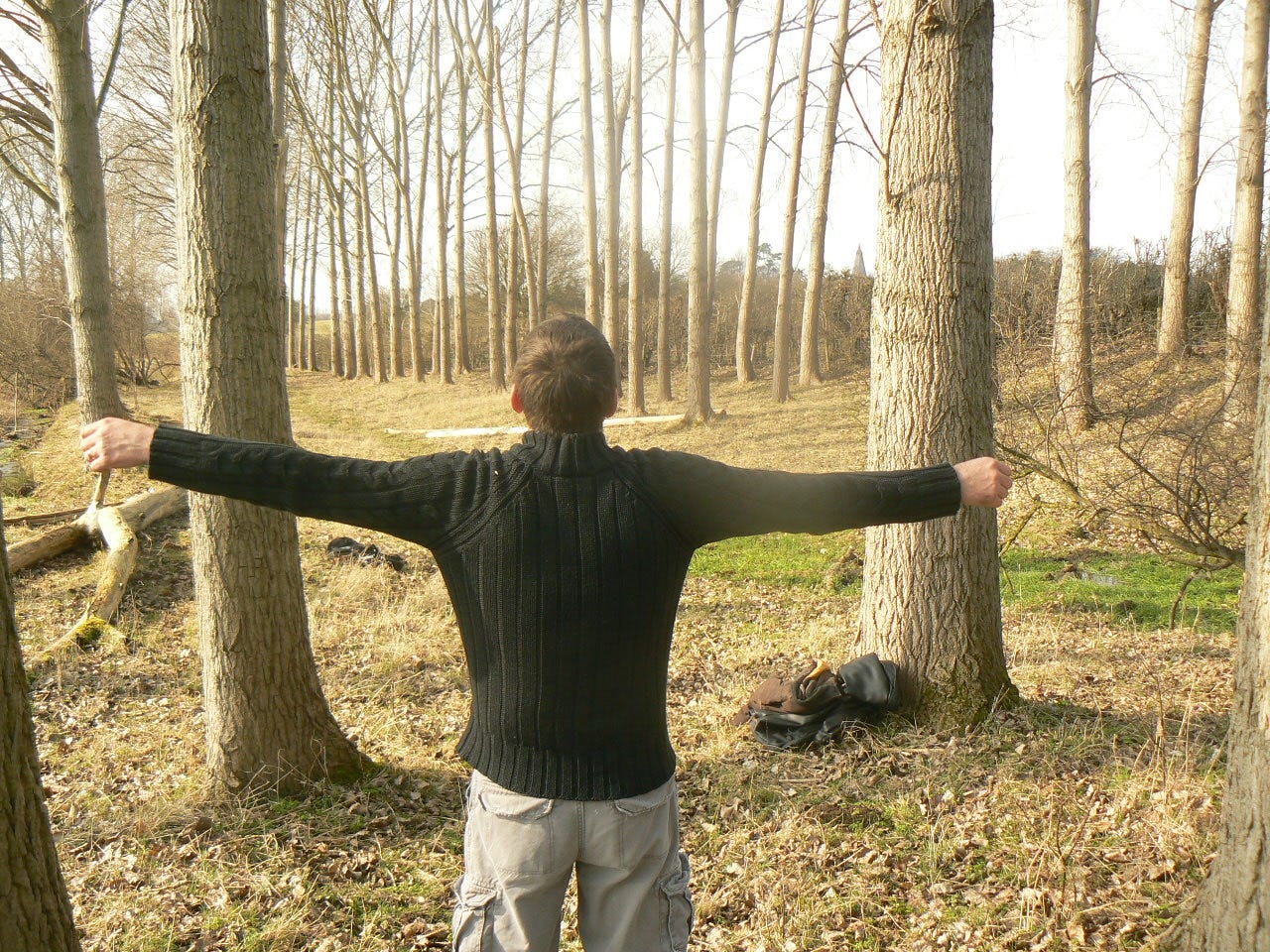
Some of the Slavic breathing approaches and some of the practices originating in Shaolin or Tibet, also use outward breathing, through the mouth, for increasing alertness or removing some negative tensions.
Recently, there was an article about my training on blending into the urban surroundings. The writer conveyed how I will sometimes advocate breathing through the mouth. This should be interpreted in the context of sometimes one needs to breathe out, through the mouth. Inhalation is still through the nose.
There are only a few practices I know, which involve an inhale through the mouth and these are for very specific reasons and very seldom used. The nose is better, as it filters the incoming air, more effectively.

There are also subtle and overt environmental factors that can affect breathing. In the stealth like arts, one is taught how to quiet or reduce the breathing.
This can also be helpful in certain negative environments, where the air is not of a good quality.
As a person deepens their understanding, they must also understand how to prevent the energetic states of others from impacting their breathing, in negative ways.

This is another element of Tri-Tier training and is especially helpful to empathic individuals, or those whose work involves helping others, in some close way.
There is also a form of cloaked breathing useful for a person who is under emotional, psychological or psychic attack, from another individual. This can be helpful when confronted or facing bullying or dominant energy.
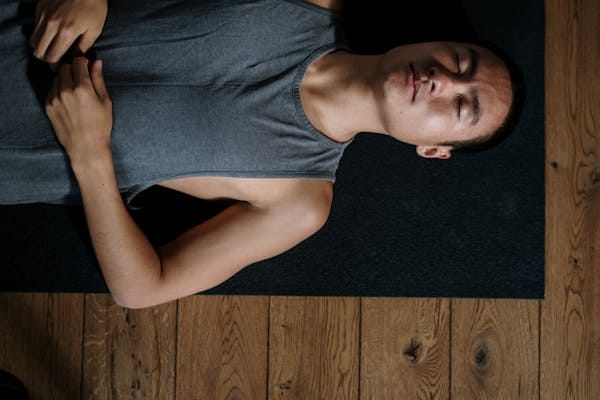
The specific ways of breathing, when one is in a direct, tight fix or position may be more assertive than breathing utilised for deeper stillness work. Sometimes, though one type of energetic practice may be part of transitioning phase to the more effortless breathing.

There are also ways to utilise the breathing to deter certain intentions, by some hostile third parties. This requires timing in the moment and is not by any means full proof but can work in certain moments,as part of urban disengagement skills.
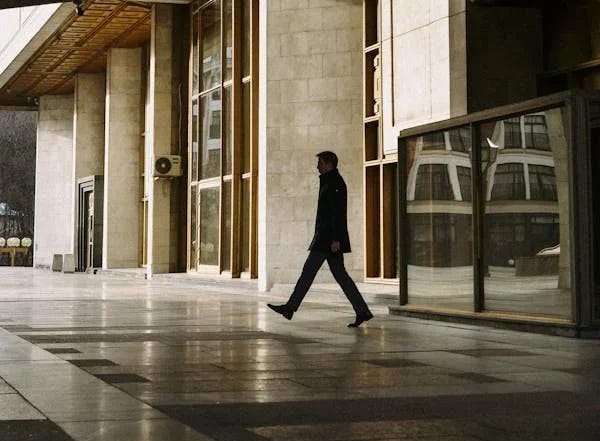
Some breathing habits are related to a specific incidents from a person's past. Here flowing movement skills can be used to help let go of accumulated tension and this can be helpful before a person goes deeper into subtle or deeper breathing methods.
There are also breathing practices that are synchronised with specific movements to free energetic channels, focus on visceral regions and release negative energy or tension that one may have picked up.

What is negative energy? This is a big topic but just as a starting point, it can be the accumulated memories and recollection of an unpleasant encounter, along with the effects it has on mind body equilibrium.
Beyond this, there are thought forms and disruptive emotional charges that move from person to person. One system that can get disrupted is the breathing but it is also a system that can help with preventing a person from absorbing negative energy.
In modern times, there is often much talk of breathing practices that are great for oxygenating the body. Sometimes, this can be misleading. The body needs to maintain a good balance. Carbon Dioxide also has an important role.
There are people who as a result of tensions, stress or injuries can actually over breath. This can cry havoc on the internal balance and create tension in the jaw, chest and neck muscles.
Strenuous exercise where the person ends up doing lots of excessive panting to catch their breathing is also said to disrupt Carbon Dioxide levels in the body. There are ways to restore balance though.
It is important that the diaphragm is free and moving effectively, to allow for more effortless breathing. Overly tight abdominal region and psoas muscles can be of a hindrance.

Also, some healers talk about how poor diet can disrupt breathing, directly or indirectly. It is also acknowledged that poor breathing habits can negatively impact on digestion, especially if certain muscles remain in a contracted state.
Effective breathing can also have a distinct positive effect on blood pressure, circulation, the nervous system, the removal of toxins, countering free radicals and the immune system.
A deeper journey with the breath is very much an exploration into the relationship of our breathing with both internal and external factors. This includes how it’s affected by diet, the environment, the air, the landscape, and events going on in our lives. There’s also the way our breathing affects our outer world.
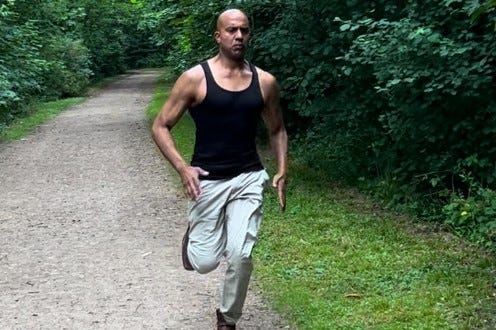
Some energetic abilities can be helped by good breathing, however, sometimes a practitioner can put too much focus on utilising the breath, when there are other factors at play, such as the use of yi. This is about the use of one's intention. Energy follows the mind...
One must also understand how to also get out of the way of the breathing process and avoid domination by the conscious mind or ego.This is part of studying the natural ways of living and balance.
There are also breathing approaches for restorative reasons or to deal with a specific type of challenge or adversity.
When one breathes in calm, harmonious fashion it can have a relaxing affect on those around them and people like to spend time with such people.
It’s also valuable when one understands the concept of allowing the breath to happen and allowing your breathing to work with you and for you.
At a higher level, breathing should be adaptive and intuitive…
Aran
About the author
Based in London, Aran Dharmeratnam is the founder of Tri-Tier. He specialises in self-protection and resilience training, often working with high-profile figures and their families. With experience in various areas of the security sector, Aran also works with global security companies involved in private investigations and risk intelligence. He’s been deployed on the ground, in numerous cases. Aran’s insights have appeared in The Financial Times, The Spectator, Aviation Security International, and Security Management Today.
For consultations or training contact: office@tri-tier.com